Silicone Keypads
Custom keypad programmes for sealed controls and molded interface assemblies.
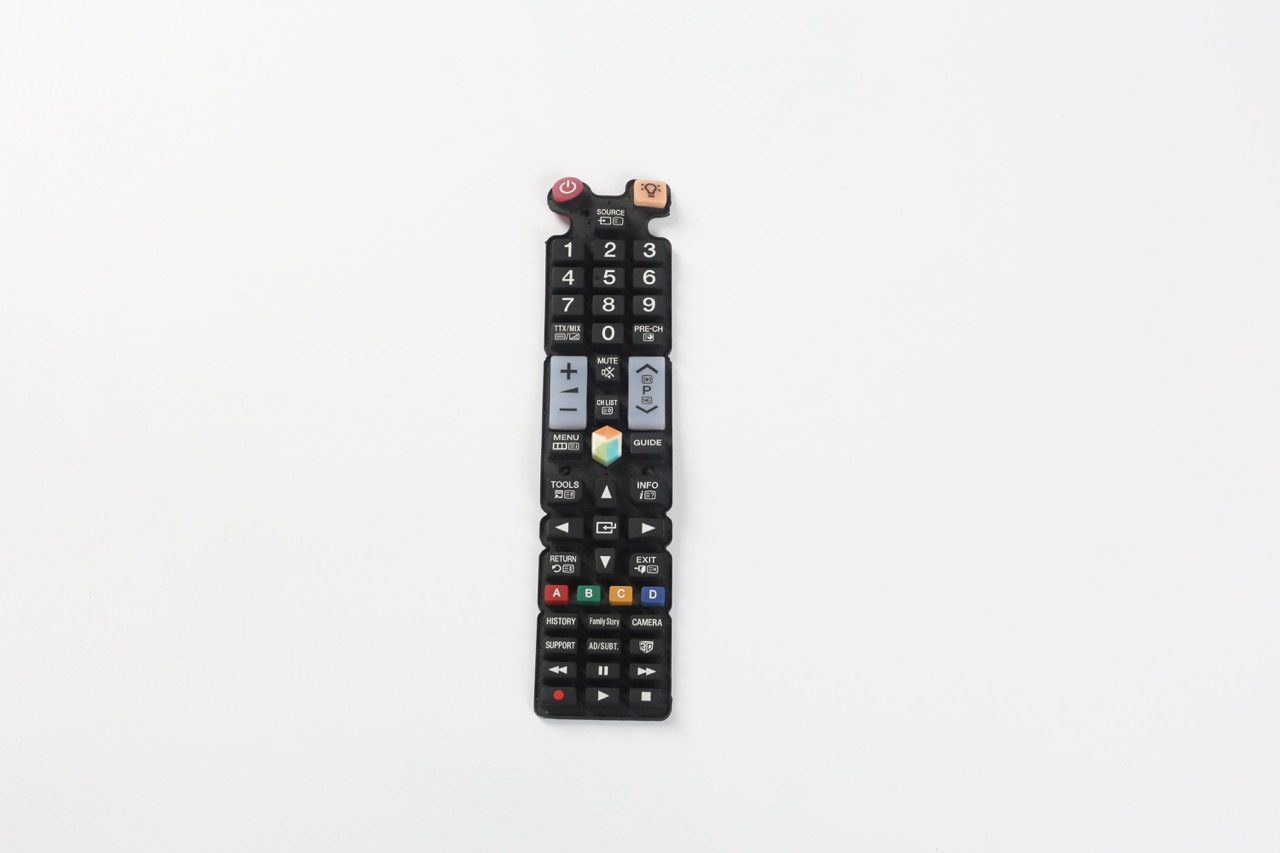
Keypads That Need Feel, Finish, and Fit to Work Together
SIKING builds custom silicone keypads for handheld controls, operator panels, and interface assemblies where tactile response, legend durability, and enclosure fit have to be reviewed together.
Most RFQs turn on contact design, finishing, lighting, and whether the keypad also supports the sealing strategy.
- Key geometry, finish, and legends reviewed per drawing
- Conductive, illuminated, composite, and sealed builds handled case by case
- Silicone materials can be specified within the published 0-90 Shore A range
- Tooled-part MOQ: 1,000 units, with DFM / FAI / sampling support below MOQ
Common Keypad Build Directions
The useful distinction is the interface problem the keypad has to solve.
Conductive Keypad Builds
Used when the keypad needs to close a circuit or match an existing PCB contact scheme.
Composite Keypad Builds
Used when silicone touch surfaces have to work with more rigid interface elements.
Illuminated Keypad Builds
Used when legends or icons need to stay legible in low-light operation.
Sealed Interface Keypads
Used when the keypad also contributes to environmental control at the interface.
What to Define Before Tooling Starts
The strongest keypad RFQs show the interface intent and release plan up front.
Engineering Inputs
- PCB or contact scheme, including conductive path expectations
- Key travel, tactile feel targets, and enclosure fit
- Legend method, finish, and any lighting requirement
- Whether the keypad also acts as part of the sealing strategy
- Critical dimensions and acceptance criteria for inspection
Commercial Inputs
- Expected production volume and release timing
- Tooled-part MOQ of 1,000 units for production release
- Below-MOQ work kept to DFM validation, FAI, or sampling
- Any customer documentation or packaging expectations
- Whether the programme also needs plastic or assembly review
Where Custom Keypads Commonly Fit
Handheld Controls
Portable control interfaces where button feel, legend clarity, and compact geometry have to stay aligned through production.
Cleanable Device Interfaces
Operator surfaces where wipe-down, controlled seams, and readable legends matter more than decorative complexity.
Industrial Equipment Panels
Control layouts that need a durable molded interface and a predictable production route.
Test & Measurement Controls
Interfaces where keypad repeatability and labeling clarity affect routine use.
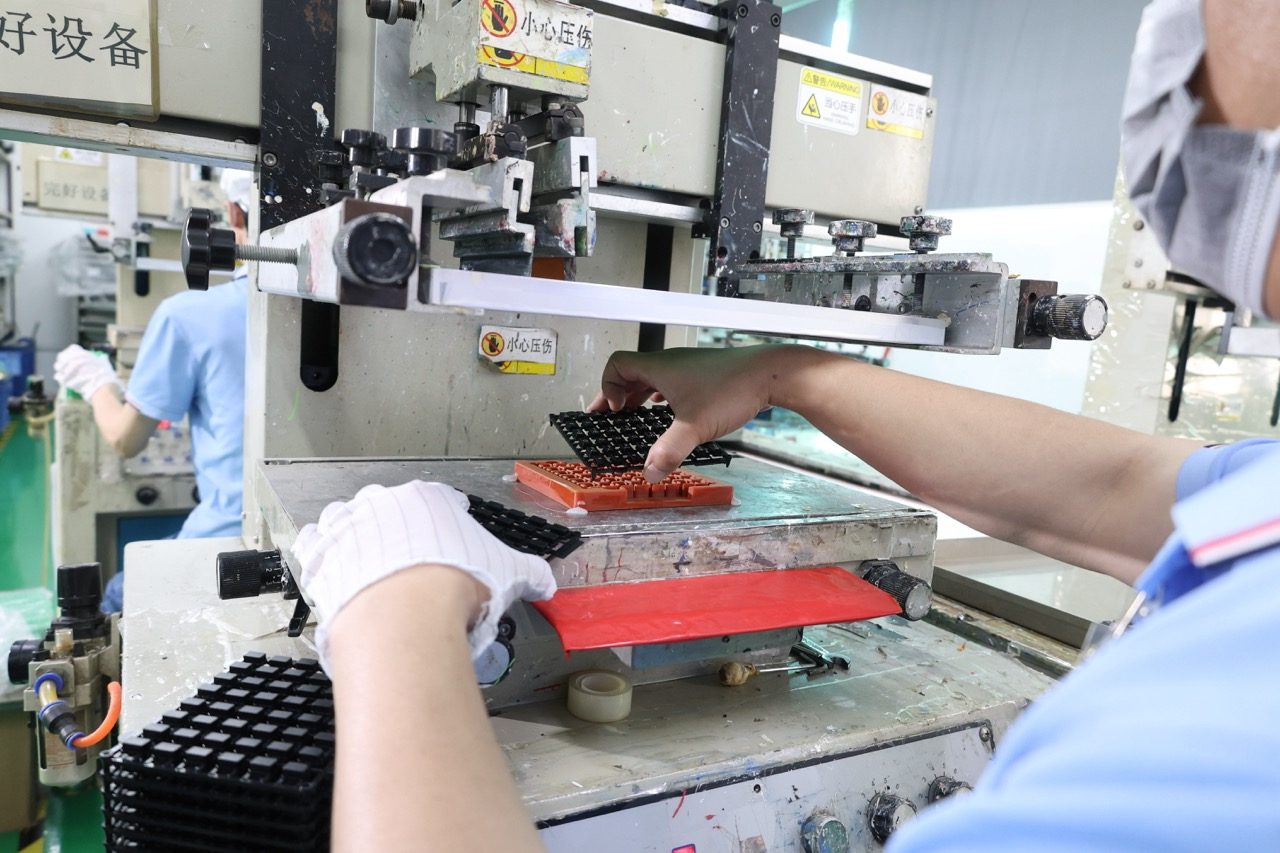
From Drawing Review to Finished Interface Part
Keypad programmes begin with drawing review and tooling alignment, then move through molding, finishing, and inspection as required by the interface.
- 20+ compression presses across 200-400T capacity
- 8,000+ historical molds on record for faster DFM context
- Finishing and legend requirements aligned before production release
- Inspection criteria matched to the keypad's role in the final assembly
Need a Custom Keypad Review?
Send your drawing, interface notes, or part reference. We will review the keypad build direction, tooling path, and next commercial step before release.