Plastic Injection Molding
80-400T in-house support for silicone-linked composite programmes
Plastic Injection Molding
Plastic injection molding supports the plastic side of programmes that also involve silicone, overmolding, or downstream assembly. It is used for substrates, housings, frames, and support parts that need to stay aligned with the silicone route from the start.
SIKING reviews plastic scope against the in-house 80-400T window during DFM. The goal is not a separate plastics brochure offer; it is coordinated routing for multi-material programmes.
- In-house capacity: 80-400T injection molding machines
- Supports composite and multi-material assemblies that include silicone
- Material and geometry reviewed during DFM
- Inspection plan aligned with silicone and assembly steps
- Routing clarified early if scope sits outside the in-house window
- Plastic-only commodity sourcing is not the core offer
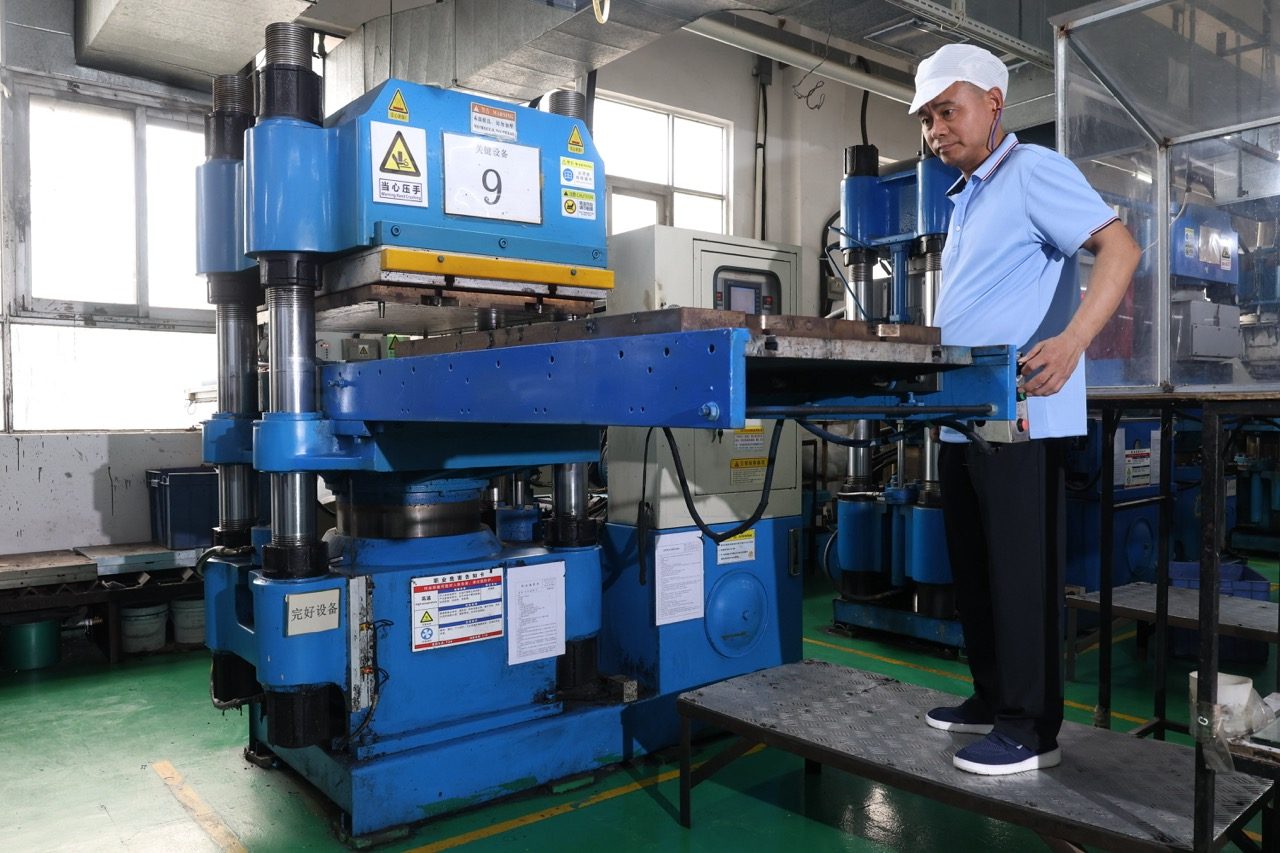
Plastic Injection Molding Specs
| Parameter | Specification |
|---|---|
| In-House Tonnage Range | 80-400 ton |
| Programme Role | Support for composite and multi-material assemblies |
| Material Selection | Confirm at DFM review |
| Part Size Fit | Review against the 80-400T window before tooling release |
| Primary Use Case | Plastic substrate and support parts for silicone-linked programmes |
| Integration Plan | Align plastic, silicone, and assembly sequence at quote stage |
| Plastic-Only Fit | Not positioned as the core offer |
Plastic stays in scope here only when it strengthens the silicone programme
This route should read as a complementary capability, not a disconnected plastics offer. The value is substrate coordination, one RFQ, and early fit confirmation inside the in-house window.
That keeps the page aligned with the wider cluster and avoids drifting into a separate business line tone.
Substrate coordination on site
When a plastic part fits the in-house 80-400T window, substrate review can stay close to the silicone programme instead of being split across separate suppliers.
One RFQ for composite scope
Plastic tooling, silicone tooling, and downstream assembly checkpoints can be reviewed together when the programme is scoped as one project.
Capacity fit confirmed early
If a part needs larger machine size, specialist material validation, or different routing, that is surfaced during quotation rather than after the programme is underway.
Plastic Injection Molding — Step by Step
Material Review & Drying
Resin choice and handling requirements are reviewed during DFM before production starts.
Injection
Material is injected into the closed mold according to the approved tooling and process plan.
Pack & Hold
The process window is held to support dimensional stability and surface quality.
Cooling & Ejection
The part is cooled, removed from the tool, and prepared for inspection or downstream assembly.
Inspection
Dimensional and cosmetic checks are completed before silicone or downstream assembly starts.
Best Suited For
- Plastic substrates for silicone overmolding or insert programmes
- Multi-material assemblies that need plastic and silicone reviewed together
- Frames, housings, or support parts paired with silicone seals or interfaces
- Programmes that fit within the in-house 80-400T window
- Teams that want a single RFQ for coordinated plastic and silicone scope
Not Suited For
- Very large plastic structural parts outside the in-house 80-400T window
- Standalone plastic commodity parts with no silicone or composite element — SIKING is not a general-purpose plastics moulder
- Specialist material or validation requirements not yet confirmed at DFM stage
- Programmes with undefined substrate material, tolerance, or assembly requirements
Plastic Injection Molding — FAQ
Review Your Plastic + Silicone Scope
Send drawings for DFM review and quotation within the in-house 80-400T window.