Medical Silicone
Medical component programmes with imported LSR, cleanroom capability, and clear qualification framing.
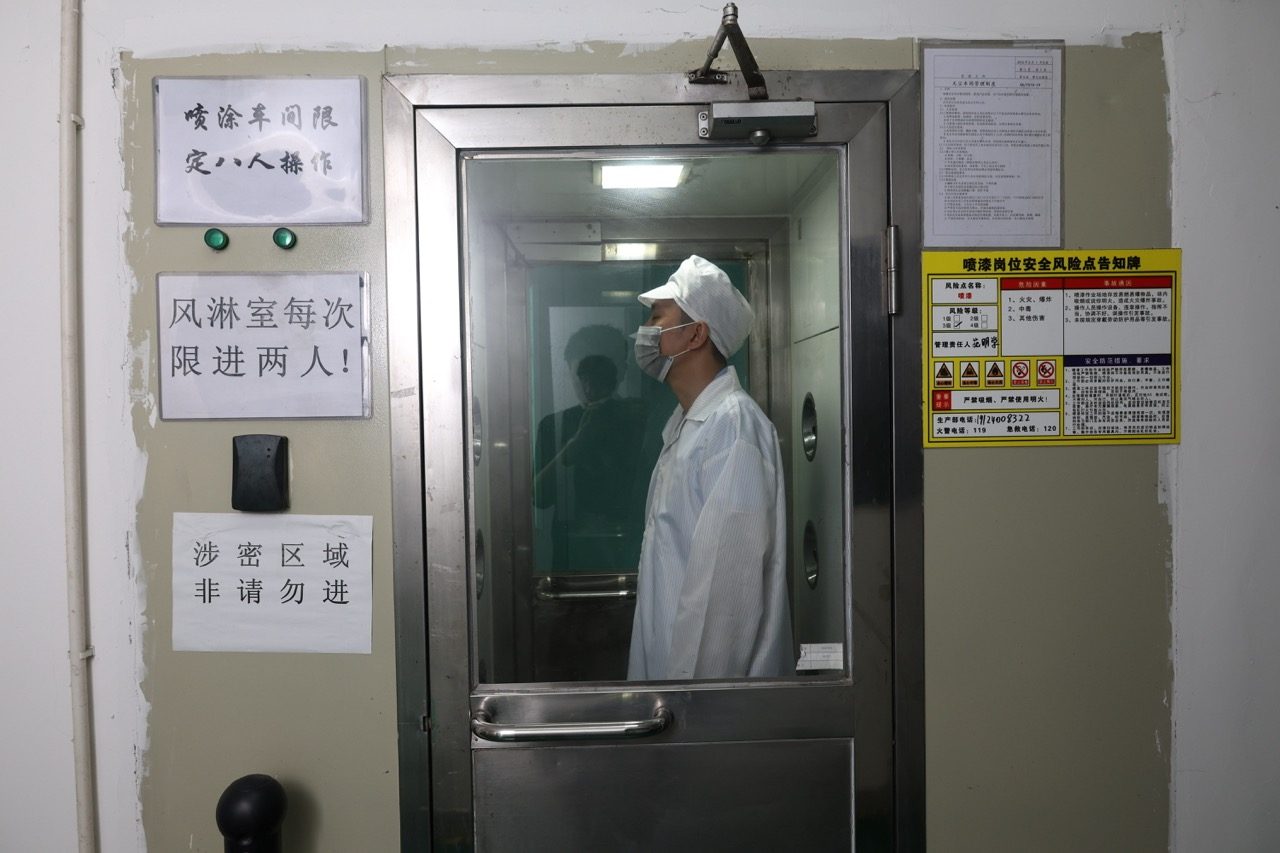
Medical Component Programmes That Need Clear Qualification Boundaries
SIKING supports medical component programmes where imported materials and cleanroom capability shape supplier review. Align required certifications and part-level validations during quoting.
Production uses imported LSR from Dow, Wacker ELASTOSIL, and Shin-Etsu, with published cleanroom and tolerance references to frame qualification early.
- Imported LSR suppliers: Dow, Wacker ELASTOSIL, Shin-Etsu
- Class 100K cleanroom capability
- LSR tolerance reference: ±0.02mm
- Public certification claims stay limited to held certifications
- Tooled-part MOQ: 1,000 units, with DFM / FAI / sampling support below MOQ
What SIKING Can Document Today
For medical programmes, clear boundaries are more useful than inflated claims.
Available Today
- ISO 9001:2015
- ISO 14001:2015
- Imported LSR from Dow, Wacker ELASTOSIL, and Shin-Etsu
- Class 100K cleanroom capability
- Two dedicated LSR injection units with ±0.02mm tolerance reference
Not Currently Held or Claimed
- Medical qualification requirements reviewed case by case during quoting
- FDA 21 CFR 820 is not claimed
- ISO 10993 part-level testing is not claimed
- USP Class VI is not claimed
Imported LSR Supply Options
The supplier boundary is made explicit up front.
Dow
Imported LSR source for programmes that want a globally recognized supplier.
Wacker ELASTOSIL
Available when the programme requires established supplier documentation and controlled liquid silicone feedstock.
Shin-Etsu
Additional imported-source option within the controlled supplier set.
Qualification note: Align the material source, cleanroom expectation, and certification boundary before tooling release.
Published Process References
| Parameter | Published Reference | Why It Matters |
|---|---|---|
| Production environment | Class 100K cleanroom capability | Supports early controlled-handling review |
| Injection equipment | Two dedicated LSR injection units | Clarifies the route for small or precise LSR parts |
| Material sources | Dow, Wacker ELASTOSIL, Shin-Etsu | Makes the supplier boundary explicit |
| Hardness range | 15-80 Shore A (published LSR range) | Frames early material suitability review |
| Dimensional tolerance | ±0.02mm reference | Sets the published LSR precision baseline |
| Factory quality references | ≤1,000 DPPM, ≥97% first-pass yield, ≥98% acceptance rate | Provides production context without route-specific overclaim |
| Commercial entry point | 1,000-unit tooled MOQ, with DFM / FAI / sampling below MOQ | Keeps qualification work and production release aligned |
Where This Route Usually Applies
These examples stay at the qualification level on purpose. The question is whether the programme needs imported LSR, cleanroom capability, and a clear qualification boundary before part design is locked.
Precision LSR Interfaces
Components where dimensional control and a clean molding route matter as much as geometry.
Handheld or Benchtop Device Parts
Programmes where the silicone component sits inside a qualified device assembly and supplier review stays documentation-aware.
Cleanroom-Sensitive Small Parts
Small molded parts where handling control and an explicit cleanroom-capable route affect supplier suitability.
Qualification-Driven Builds
Projects that need the supplier boundary, material sources, and documentation path defined before tooling or validation begins.
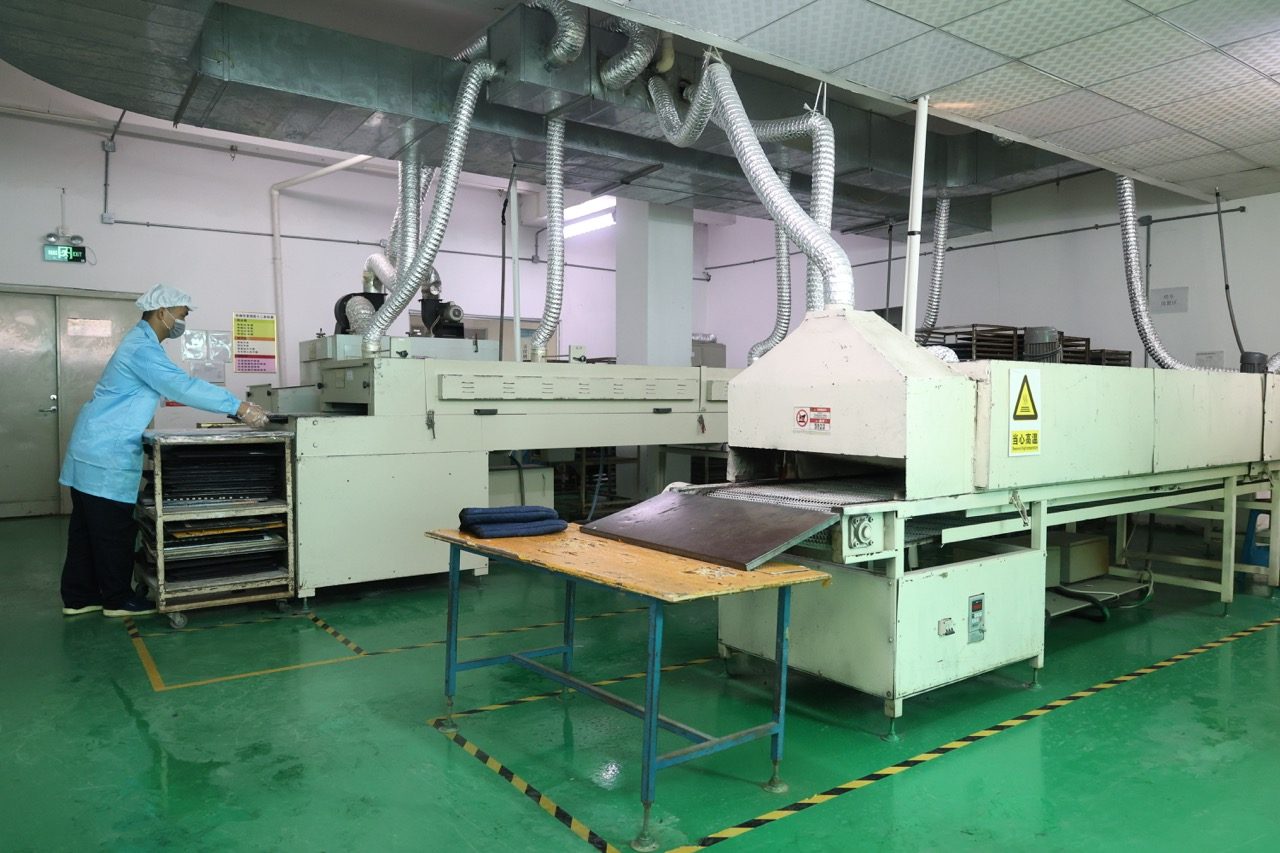
Dedicated LSR Equipment With Clear Documentation Boundaries
Medical silicone programmes run through dedicated LSR equipment and controlled handling steps. The goal is to make the manufacturing path, supplier boundary, and qualification boundary explicit before part qualification.
- Two dedicated LSR injection units
- Class 100K cleanroom capability
- Imported LSR supplier options aligned before release
- Published quality and tolerance references reviewed during programme planning
Evaluating SIKING for a Medical Programme?
Send your drawing and qualification requirements. We will review material-source control, cleanroom capability, and the documentation boundary before tooling release.