LSR Injection Molding
Two dedicated LSR injection units, +-0.02mm precision reference, 15-80 Shore A standard grades
Liquid Silicone Rubber (LSR) Injection Molding
LSR injection molding is SIKING's controlled route for precision silicone parts where repeatability, finish, and dimensional stability matter. It is typically reviewed for geometry-sensitive parts that need tighter process control than general molding routes.
SIKING operates two dedicated LSR injection units and works with Dow, Wacker ELASTOSIL, and Shin-Etsu material systems. Standard grades cover 15-80 Shore A, with final material choice, documentation, and critical tolerances aligned during DFM review.
- Two dedicated LSR injection units
- Dow, Wacker ELASTOSIL, and Shin-Etsu material base
- Standard hardness range: 15-80 Shore A
- +-0.02mm reference on critical dimensions
- Material and inspection scope aligned at quote stage
- Out-of-range hardness or geometry reviewed during DFM
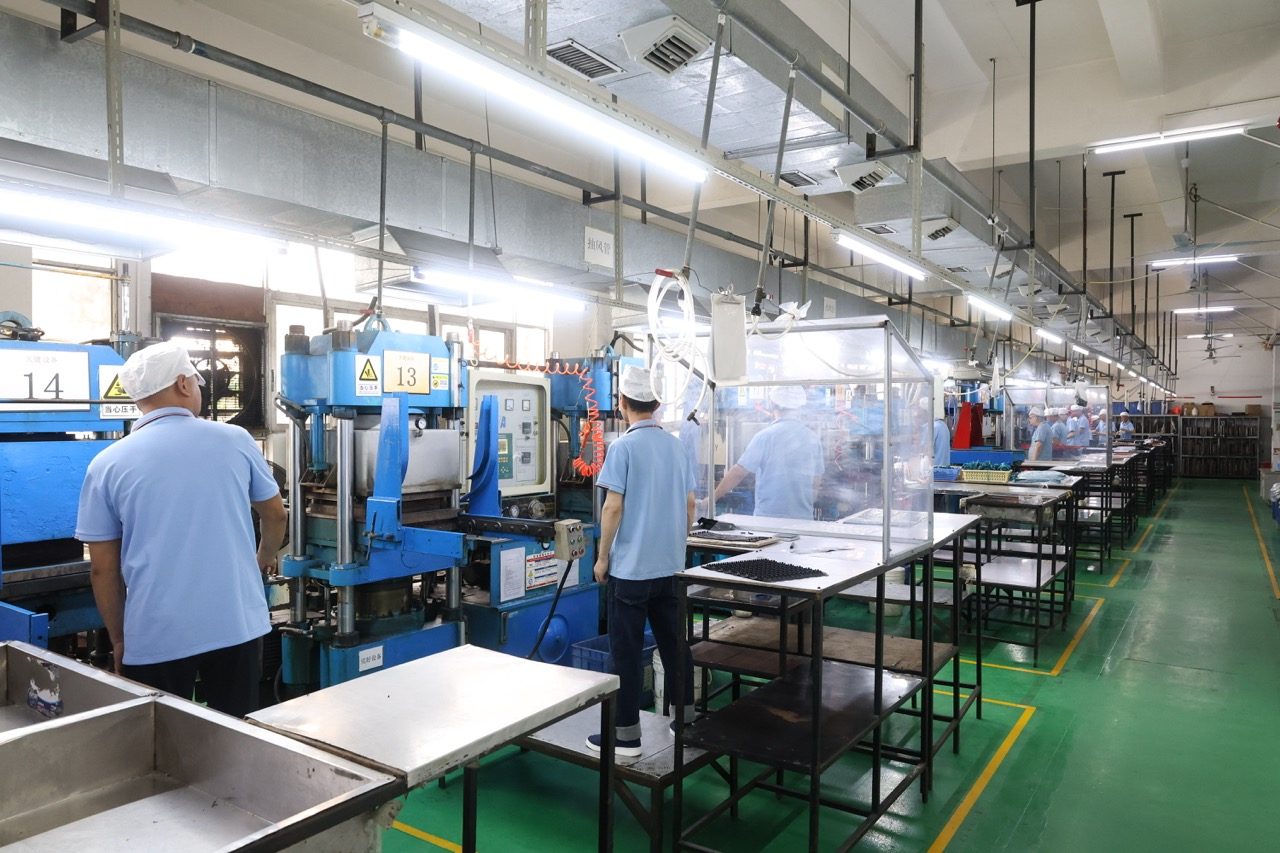
LSR Injection Molding Specs
| Parameter | Specification |
|---|---|
| Injection Units | Two dedicated LSR injection units |
| Material Base | Dow, Wacker ELASTOSIL, Shin-Etsu |
| Standard Hardness Range | 15-80 Shore A |
| Critical-Dimension Reference | +-0.02mm |
| Programme Fit | Precision silicone parts and geometry-sensitive features |
| Documentation Scope | Material and inspection requirements aligned at quote stage |
| DFM Checkpoints | Confirm final hardness, geometry, and tolerance plan before launch |
LSR is the controlled route for geometry-sensitive silicone parts
The value of the LSR page is not just the machine count. It is the tighter production window: supplier-backed material systems, repeatable closed-mold output, and early agreement on inspection scope.
That makes the page read as a precision route, not a looser extension of general molding.
Repeatable output for precision parts
The LSR route is suited to programmes where feature control and repeatability matter more than broad part-size flexibility. It keeps tooling, material choice, and inspection aligned for stable production output.
Cleaner parts on suitable geometries
On parts that suit the process, closed-mold molding can reduce downstream trimming and handling. The exact finishing plan still depends on geometry.
Requirements locked early
Define material declarations, inspection outputs, and lot-control expectations during RFQ so the LSR route is set up correctly from the start.
LSR Injection Molding — Step by Step
Material Selection
Grade, colour, and documentation scope confirmed before production.
Metering & Injection
Liquid silicone is prepared and injected into the closed mold under controlled settings.
Cure
The material cures in the tool as the process window is held to the agreed parameters.
Demold
Parts are removed and checked for visible finish and feature integrity.
Inspection & Documentation
Dimensional checks and required material or inspection records follow the agreed programme scope.
LSR Production Reference
Use these as quoting references. Final tolerances and material fit are confirmed during DFM review.
| Feature | Reference |
|---|---|
| Critical precision dimensions | +-0.02mm |
| Standard hardness range | 15-80 Shore A |
| Material base | Dow, Wacker ELASTOSIL, Shin-Etsu |
| General dimension plan | Confirm per part geometry during DFM review |
| Documentation scope | Align material and inspection records at quote stage |
Best Suited For
- Precision silicone parts with geometry-sensitive features
- Programmes that specify supplier-backed material systems
- Higher-volume parts where repeatable output matters
- Parts that benefit from tighter process and inspection alignment
- Projects needing early agreement on documentation scope
Not Suited For
- Very large parts better reviewed against other molding routes
- Hardness above the 15-80 Shore A standard window without DFM review
- Early prototype runs that do not justify dedicated LSR routing
- Programmes with undefined material or documentation requirements
LSR Injection Molding — FAQ
Request an LSR Technical Review
Send drawings and material requirements for DFM review and quotation.